How We Locate a Hidden Water Leak
Our team locates hidden water leaks by narrowing the affected pipe section and confirming the leak location with targeted tests. We connect pressure, sound, temperature, and moisture clues before planning access.
Checking Water Use and Isolating Pipe Sections
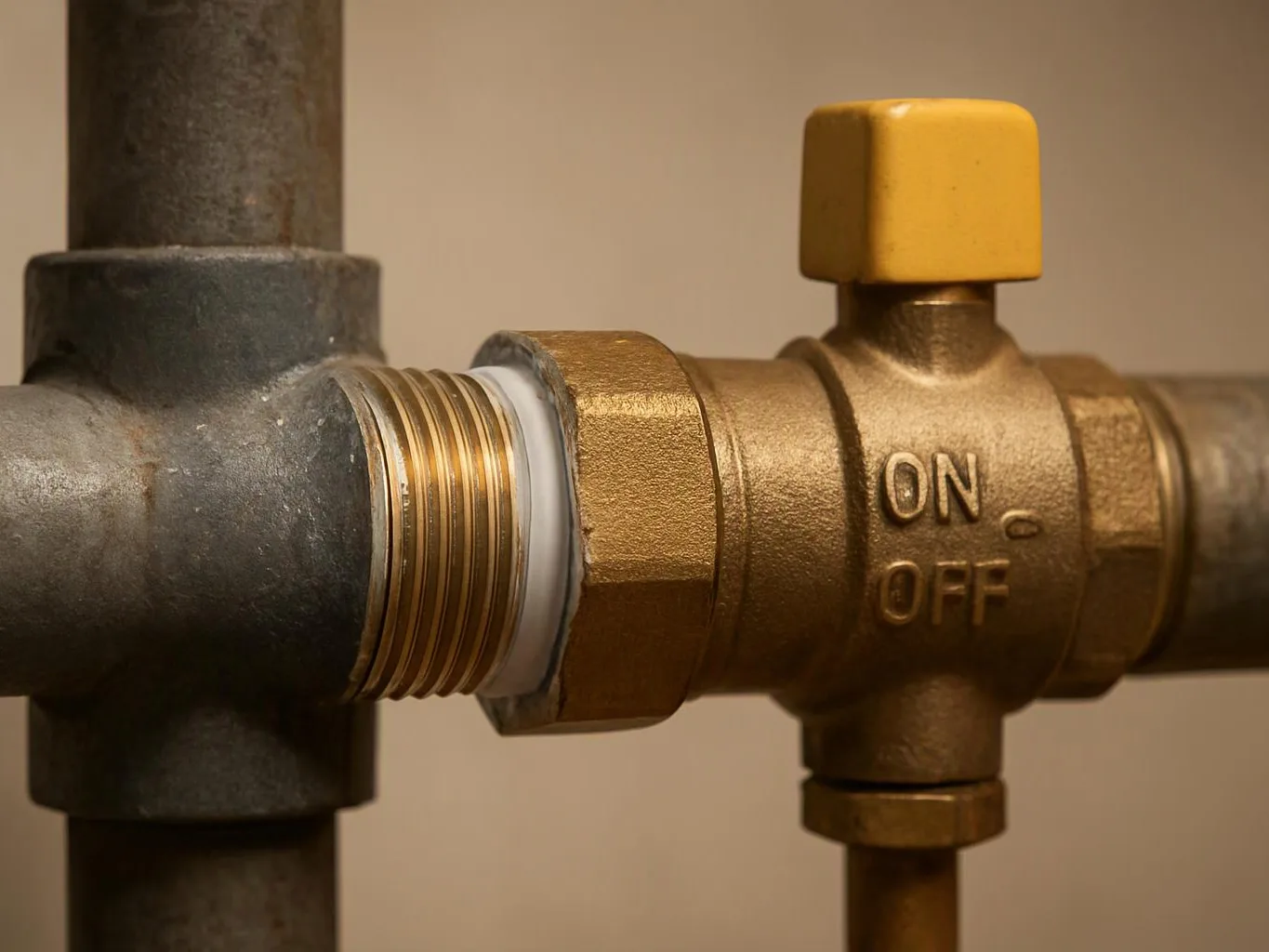
The water meter can show continued water use when fixtures are off. Our team checks the shutoff valve and observes how water pressure changes when sections are isolated.
This process helps us separate a fixture problem from a leak in the water supply line. It also limits unnecessary opening of walls, floors, or other finished areas.
Using Sound and Thermal Clues
Acoustic leak detection helps our crew hear escaping water near a concealed pipe. The sound can guide us toward a pipe joint, wall cavity, floor, or foundation area.
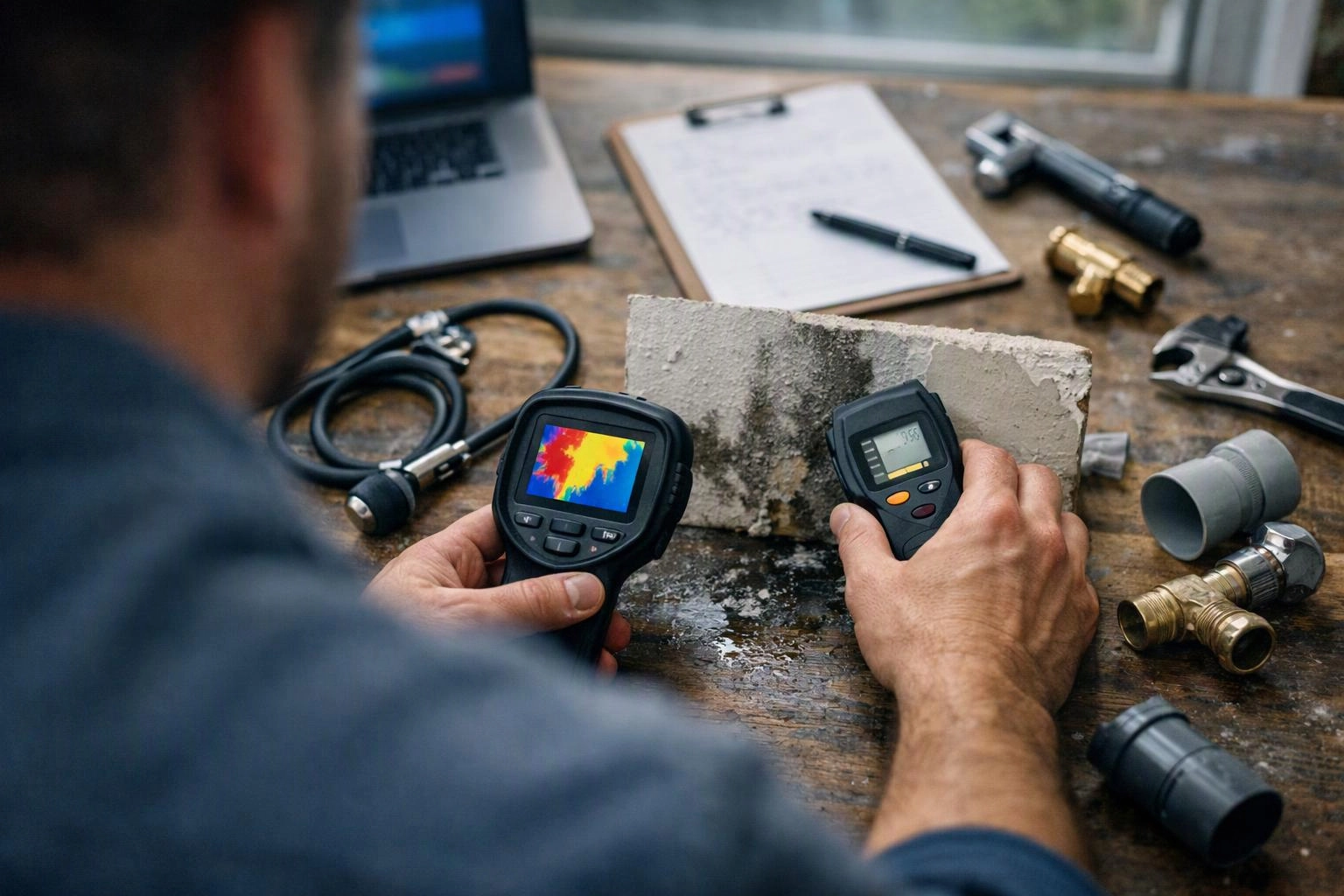
Thermal imaging shows temperature changes linked to moving water or moisture. Our team compares a thermal scan with moisture readings, because temperature alone doesn't confirm a leak.
Can We Find a Water Leak Without Opening a Wall?
Yes, our team can often narrow a hidden water leak without opening a wall by combining sound, moisture, pressure, and temperature clues.
Non-invasive leak detection can help us inspect a wall cavity, ceiling, or floor before deciding where access is needed. Thermal imaging and acoustic equipment guide the inspection, but the final repair may still require a small access opening.
Our team explains the evidence and the likely access point before pipe leak repair begins. You can review our Leak Detection service for the full inspection path.
When Leak Detection and Pipe Leak Repair Work Together
Leak detection and pipe leak repair work together when the water source is concealed or access could cause unnecessary damage. Our team uses the findings to keep the repair focused.
These situations often need both services:
How Leak Detection and Pipe Leak Repair Fit Together
Leak detection establishes the likely source, and pipe leak repair addresses the damaged section. Our team connects each stage so the repair scope matches the confirmed condition.
The two services work together in these ways:
Cost depends on the leak location, pipe material, access path, and repair scope. We explain what the quote includes before work begins.
What Changes the Repair Approach for a Hidden Leak?
The leak location, pipe material, access path, and surrounding construction determine the repair approach.
Copper, plastic, and other pipe materials can require different repair methods. Our team also checks whether the pipe sits inside a wall cavity, below a floor, near a foundation, or beneath finished ground.
A water line beside a buried utility may require careful planning before access work starts. The condition of the underground pipe and the available pipe access can change the repair scope.
Why Hidden Leak Checks Matter in Auburn, Washington
Hidden leak checks matter in Auburn, Washington, because property layouts can place water lines near varied buried utility conditions. Our team accounts for the site layout when tracing an underground water line.
Some properties have different routing, access points, and surrounding ground conditions. That information helps us plan water line repair with fewer unnecessary disturbances.
What Happens After We Locate the Leak?
After locating the leak, our team explains the affected pipe, repair access, and work needed before preparing a quote.
A leak detection report can identify the suspected source, supporting readings, and areas that need further access. We then describe whether the next step involves pipe leak repair or water line repair.
The quote reflects the repair recommendation and its expected scope. To discuss the findings with our team, use our contact page.
Questions About Hidden Water Leaks
What signs suggest a hidden water leak?
Signs of a hidden water leak include unexplained water use, damp areas, peeling finishes, musty odors, or sounds near a closed fixture. Our team checks these clues with water pressure, sound detection, and moisture tracing.
Does a hidden leak always cause visible water damage?
No, a hidden leak doesn't always cause visible water damage. Water can move below flooring, inside a wall cavity, or beneath finished ground before signs appear.
What should homeowners do when a water leak is suspected?
Homeowners should limit water use, note damp areas or sounds, and contact our team for leak detection. If the area is unsafe or water is spreading, avoid electrical hazards and leave the inspection to our crew.