What to Do First During a Plumbing Emergency
During a plumbing emergency, protect people first, shut off the nearest safe water valve, avoid electrical hazards, and limit water damage. PlumbingAuburnwa.info can inspect the source and plan the needed emergency plumbing repair.
Request an EstimateProtect People and Stop Immediate Hazards
Personal safety comes first during a plumbing emergency. Keep people away from standing water, wet flooring, and areas where a slip could occur.
Move belongings away from the water when safe access is available. Don’t touch electrical outlets, appliances, or gas appliances that may be wet. Avoid electrical hazards until the area has been checked and made safe.
If water is spreading near an electrical panel or gas appliance, leave the area and contact the proper emergency service. Water damage can spread through flooring, walls, cabinets, and nearby materials.
Shut Off the Water Safely
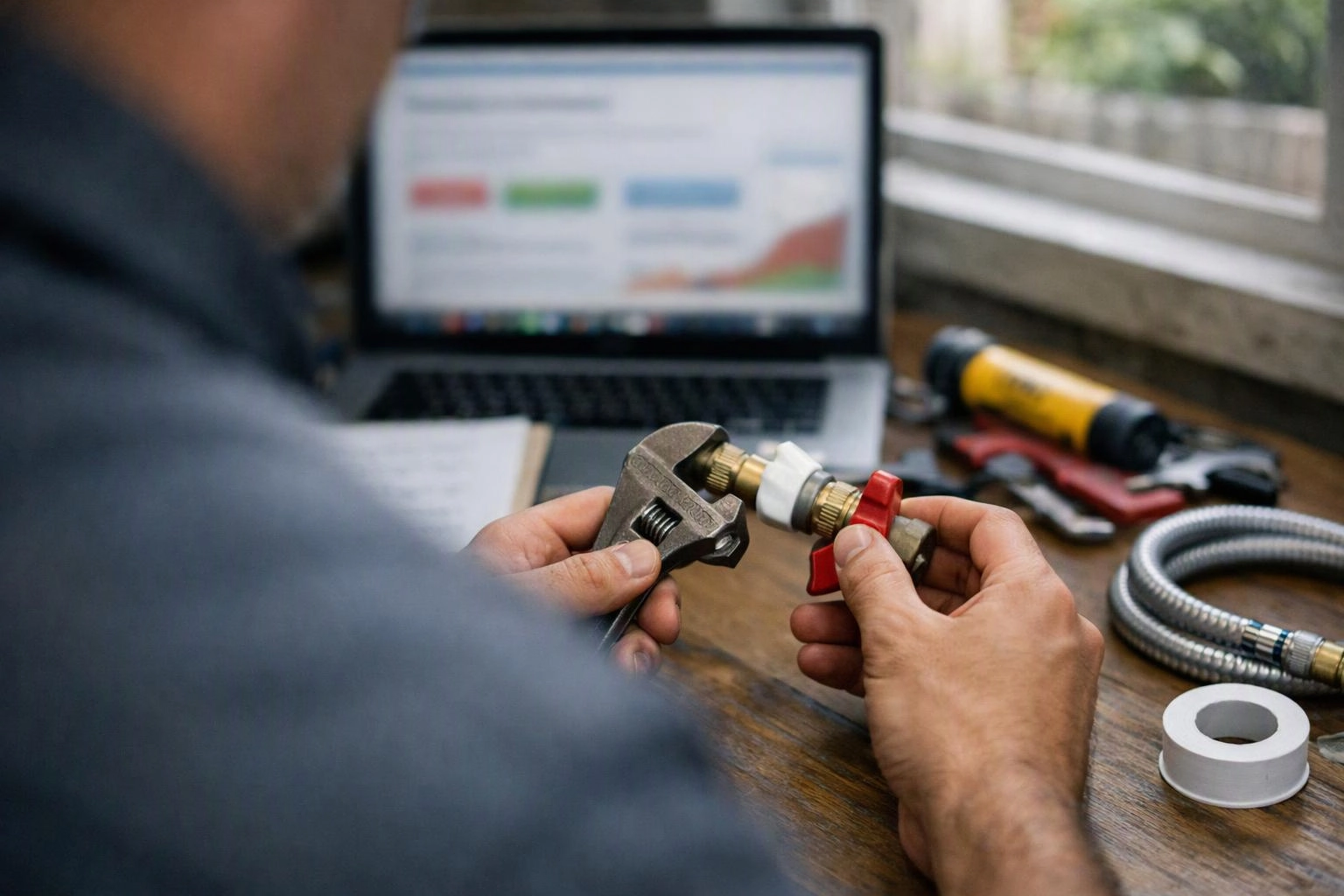
Water shutoff starts with the closest safe valve and continues at the main supply when needed. Shut off the closest safe water valve first, then use the main water shutoff if the fixture valve fails or the leak continues.
Don’t force a stuck valve or enter standing water to reach it. Our team can locate the leak and assess the valve when safe access isn’t available.
What to Do When a Pipe Bursts
A burst pipe needs immediate water shutoff, safe cleanup, and inspection of the damaged pipe and nearby materials.
Isolate the water source before moving through the affected area. A burst pipe can release water under pressure, so avoid cutting, pulling, or opening the damaged section.
Remove loose water with safe methods, but don’t use electrical equipment around standing water. Our crew checks the pipe leak, water pressure, drainage, and surrounding water damage before planning emergency plumbing repair.
For guidance on our process, visit our Emergency Plumbing Repair service page.
Handle Water Near Electrical Outlets Carefully
Water near an electrical outlet requires distance from the hazard and electrical isolation only when the area is safe to reach.
Keep away from standing water near outlets, switches, appliances, or electrical panels. Don’t step into water to reach a circuit breaker.
If the circuit breaker is in a dry, safe location, you may isolate the affected circuit. Leave the area if reaching it requires contact with water or damaged equipment.
Electrical shock can happen even when a water leak looks small. We inspect the plumbing source after the electrical hazard has been controlled.
Respond to Drain or Sewer Backups
A drain backup or sewer backup requires stopping water use, keeping people away from contaminated water, and arranging an inspection.
Continued water use can increase the backup and spread water damage. Our inspection helps identify whether the problem is inside the building or connected to the sewer line.
When Pipe Leak Repair and Water Line Repair Work Together
Pipe leak repair and water line repair work together when the leak affects the supply serving more than one fixture. The correct repair depends on where the leak starts and how water reaches the building.
Our team traces the water path before choosing between local pipe work and broader water line repair. That approach helps limit unnecessary opening and keeps the repair scope clear.
How Emergency Plumbing Repair Connects the Work
Emergency plumbing repair connects immediate leak control with a complete repair assessment. Our team focuses first on safe isolation, then confirms the repair needed to restore service.
The repair scope may expand when hidden damage, poor access, or related water damage is found. We explain each part of the recommended work before proceeding.
What Our Emergency Plumbing Inspection Covers
PlumbingAuburnwa.info uses a plumbing inspection to identify the leak source, pipe condition, and visible water damage. Our team starts with the safest available access point and follows the water path.
We check connected fixtures, shutoff valves, pipe joints, drainage, and nearby materials. We also consider whether the issue involves a local pipe leak or the main water line.
Our repair recommendation explains the work needed to control the problem and restore safe service. We can then prepare a quote based on the actual repair scope.
How to Prepare Before Our Crew Arrives
Safe preparation gives our crew better access to the water shutoff and affected plumbing. Only take steps that don’t place you near electrical, gas, structural, or contaminated-water hazards.
Keep the affected area available for inspection. Photos can help us understand the event, but they don’t replace an on-site repair assessment.
What Changes the Repair Quote?
The repair quote depends on the leak location, access, pipe condition, water damage, and work required to restore safe service.
Pipe material and the position of the damaged section can change the repair method. Water line access also matters when the leak is hidden, underground, or connected to the main supply.
Replacement scope may increase when nearby materials need removal, drying, or repair. We inspect the affected area and explain the work included before you request a quote.
Request a quote after the water is safely controlled and the leak source can be assessed.
Questions About Plumbing Emergencies
Should I turn off the main water supply during a plumbing emergency?
Yes, turn off the main water supply when the fixture valve fails or the leak continues. Use the closest safe valve first, and don’t reach through standing water.
Can I use a sink or toilet during a sewer backup?
No, stop using sinks and toilets during a sewer backup. Continued water use can worsen wastewater flow and backflow.
What should I do if I can't find my main water shutoff valve?
If you can’t find the main water shutoff valve, stop using water and close the nearest safe fixture valve. Our team can help locate the supply control during the inspection.
How do I protect flooring after a pipe leak?
Protect flooring by stopping the water source, keeping people away from slippery areas, and removing loose items when safe. Don’t use electrical equipment around standing water.