In terms of job preparation, what types of leaks can leak detection identify to keep the work on track?
Wall leaks, pipe leaks, slab leaks, and fixture leaks are all types that leak detection can identify. The inspection follows the symptom and checks connected plumbing, fittings, supply lines, and drains. A visible mark may not show the true source because water can travel through finished areas. The report explains what the findings support and which repair path fits.
Which plumbing parts decide the inspection scope?
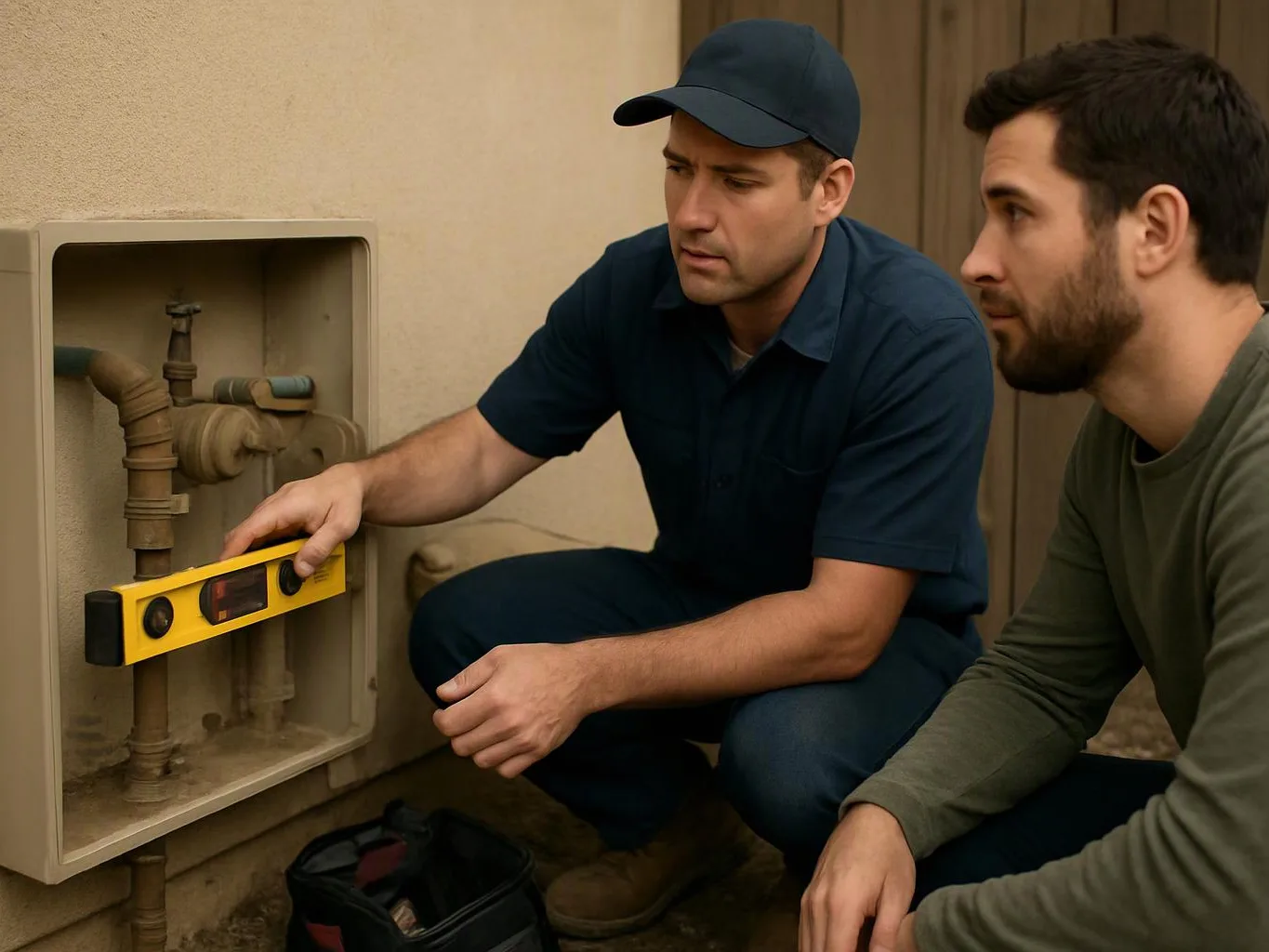
The suspected source decides the inspection scope. Accessible supply lines, drain connections, faucets, toilets, shower fittings, and nearby pipes may all need review. Surface access also matters because finished walls and floors can limit what can be checked directly. We use the reported symptom and visible evidence to outline the next step.
How does a leak inspection move from the first call to repair planning?
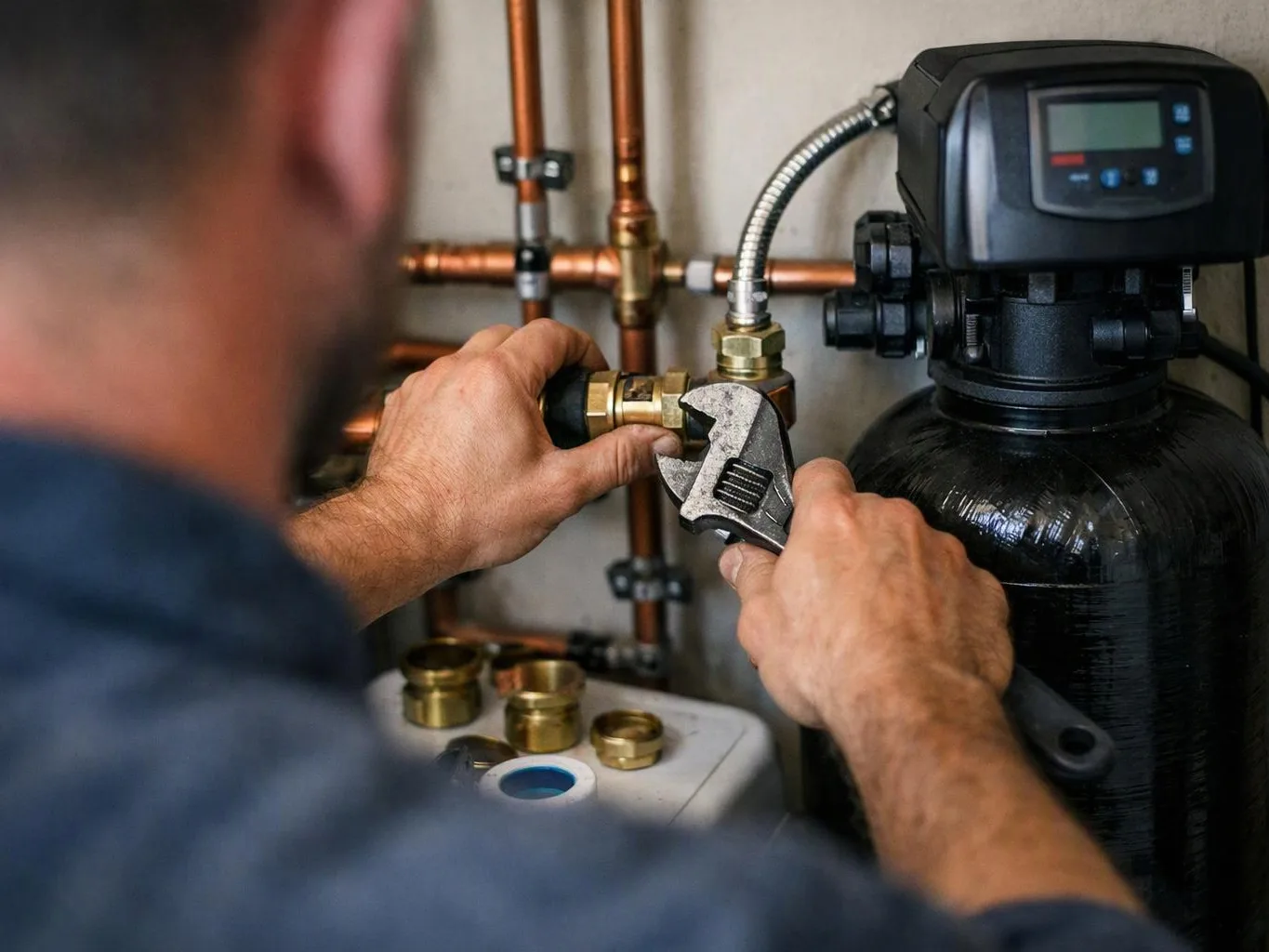
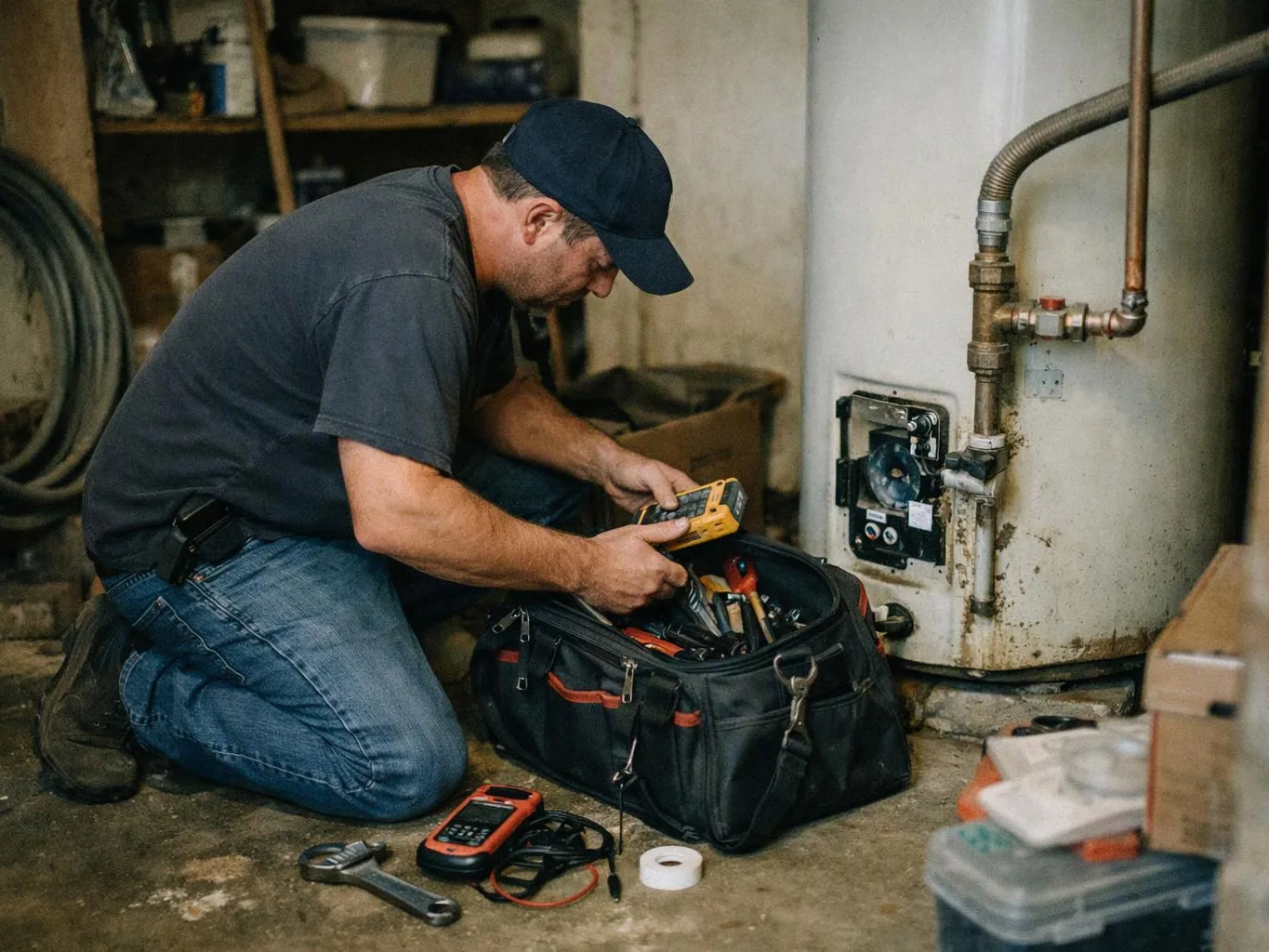
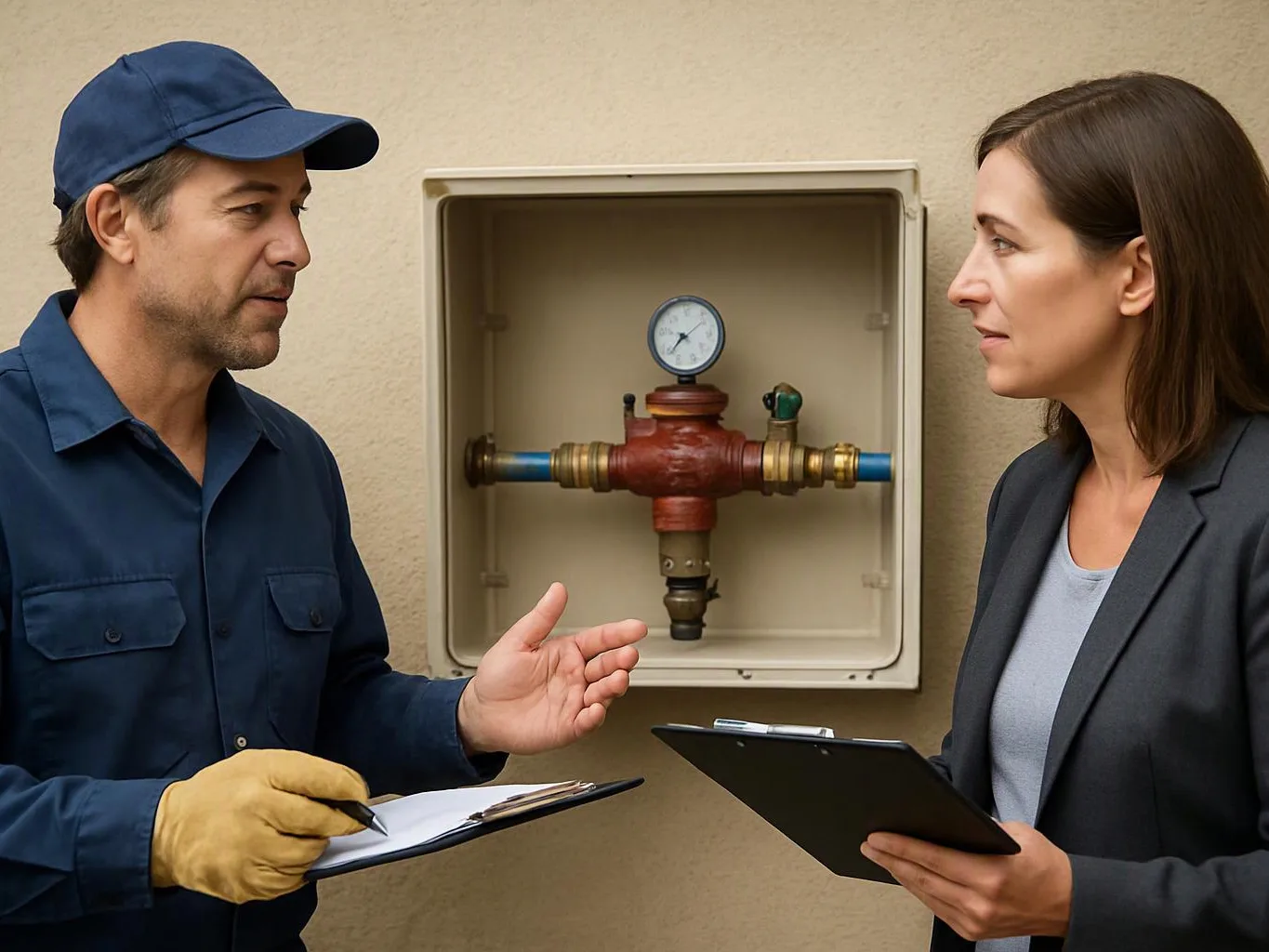
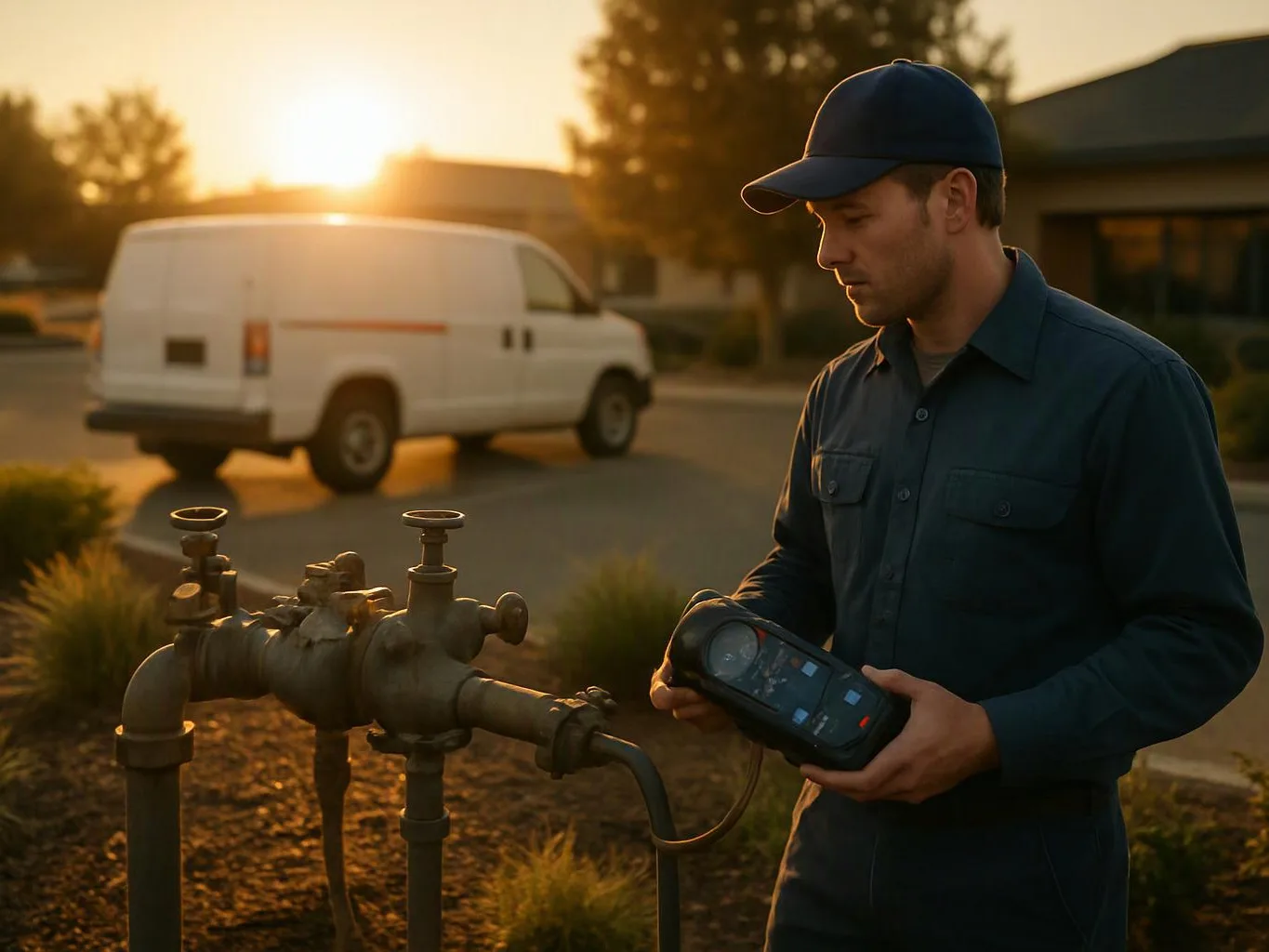
The appointment starts with the reported symptom and a review of nearby plumbing. We then check accessible fixtures, fittings, pipes, and affected surfaces before narrowing the likely source. Acoustic leak detection, thermal imaging, or a pressure test may be considered when the situation supports it. The visit ends with findings and proposed repair options.
What changes the price of checking a hidden pipe leak?
Access and suspected source are the main cost drivers for a hidden pipe leak check. Finished walls, floors, ceilings, and slab areas can change the inspection work required. The method selected and any repair that follows also affect the quote. We explain the proposed scope and provide an upfront quote before work begins.
Can leak detection separate a plumbing leak from roof damage?
Leak detection can help determine whether the reported moisture connects to plumbing. We inspect nearby pipes, fixtures, drains, and fittings, then compare those findings with the location of the damage. If the evidence points outside the plumbing system, another trade may be needed. The evaluation helps prevent a plumbing repair from being assigned to the wrong source.
Why does moisture return after a faucet or fitting repair?
Returning moisture can indicate another leak path, a nearby supply line issue, or water moving from a different source. We review the repaired fitting and the surrounding plumbing instead of relying on the earlier adjustment alone. Bring details about the prior work and keep the affected area accessible. The findings guide the next repair decision.
Before confirming the work plan, who provides leak detection for homes and remodel projects during the on-site evaluation?
PlumbingAuburnwa.info provides leak detection for residential customers, contractors, and homeowners planning custom homes or remodels. We inspect the reported plumbing concern, explain the findings, and outline proposed solutions. The service also fits people who need a clearer repair scope before opening a finished wall or floor.