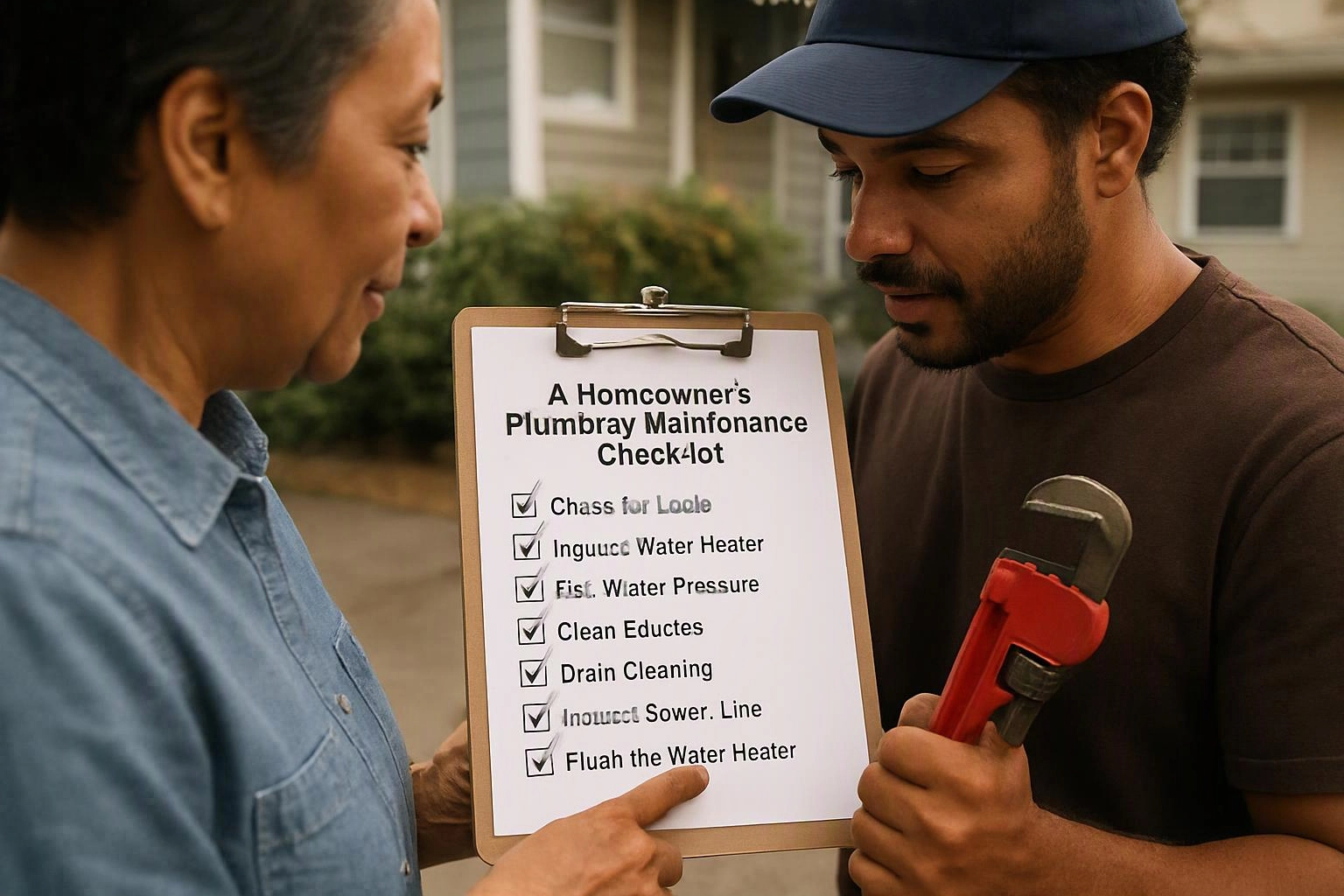
A Homeowner’s Plumbing Maintenance Checklist
A plumbing maintenance checklist covers visible leaks, drains, toilets, faucets, water heaters, and shutoff valves. At PlumbingAuburnwa.info, we use these checks to help homeowners spot problems early and decide when repair or drain cleaning is needed.
Request an EstimateWhat Should a Plumbing Maintenance Checklist Include?
Plumbing maintenance should cover leaks, flow, drainage, shutoff valves, fixtures, and water heating equipment.
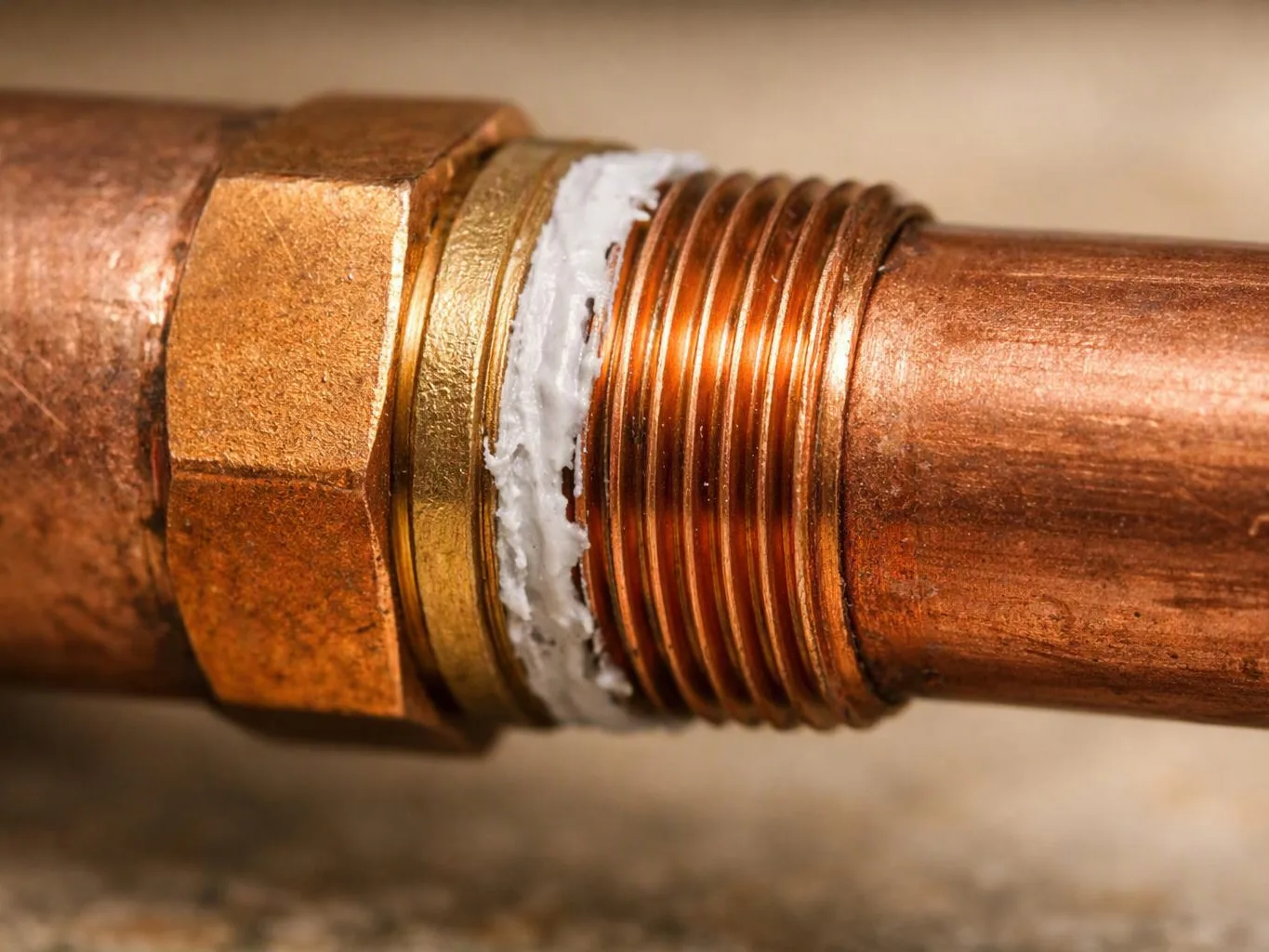
A complete home plumbing checklist reviews the residential plumbing system as a whole. Check water supply lines for moisture, drain lines for slow flow, and plumbing fixtures for wear.
Include the water shutoff valve and each local shutoff valve. Knowing where these valves are can limit water damage during a leak.
Check Sinks, Faucets, Toilets, and Exposed Pipes
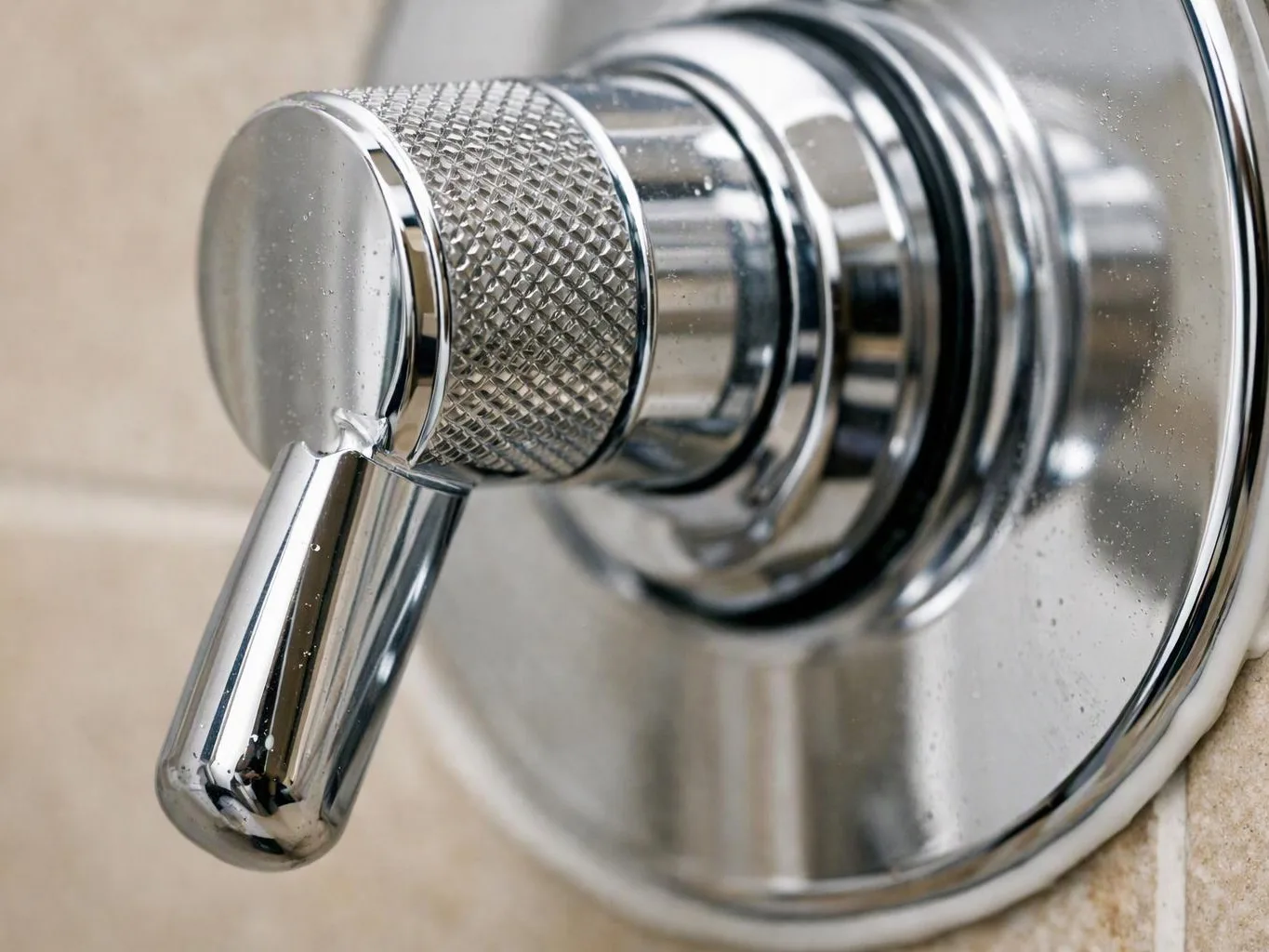
Inspect visible plumbing fixtures and connections for leaks, wear, and changes in flow.
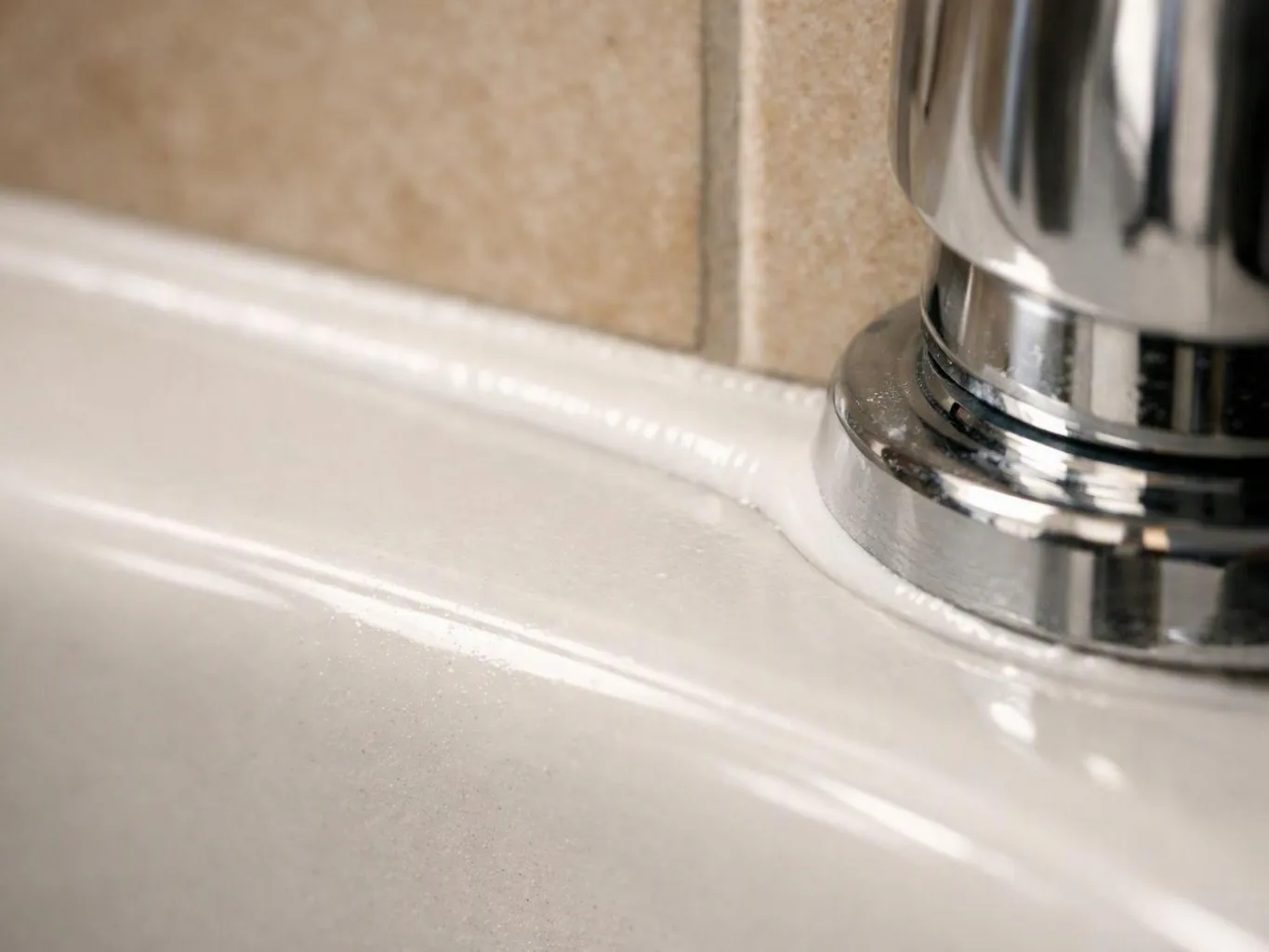
Our checklist starts with areas that are easy to see. Small moisture marks can point to a loose connection or hidden water damage.
Look Under Sinks and Around Toilets
The cabinet, shutoff valve, toilet base, and toilet supply line need a careful moisture check.
Open the cabinet and look for damp surfaces, mold, or a musty smell. Check around the toilet base after flushing, but don't disturb a loose toilet.
Persistent moisture needs prompt attention because it can spread into flooring and nearby walls. We can trace the source and explain whether the issue needs faucet repair, toilet repair, or another fix.
Keep Drains Clear and Watch for Warning Signs
Drain cleaning may be needed when a drain stays slow, backs up, or produces sewer odor.
A slow drain can become a larger plumbing problem when buildup continues inside the drain line. Watch for several fixtures draining slowly, toilet gurgling, or water rising in another fixture.
Don't ignore a recurring clog or sewer odor. Our team checks the symptoms, identifies the likely blockage, and recommends the right repair scope.
Inspect the Water Heater and Main Shutoff Valve
Water heaters and shutoff valves should be checked as part of routine home maintenance and whenever leaks, corrosion, unusual noise, or difficult operation appears.
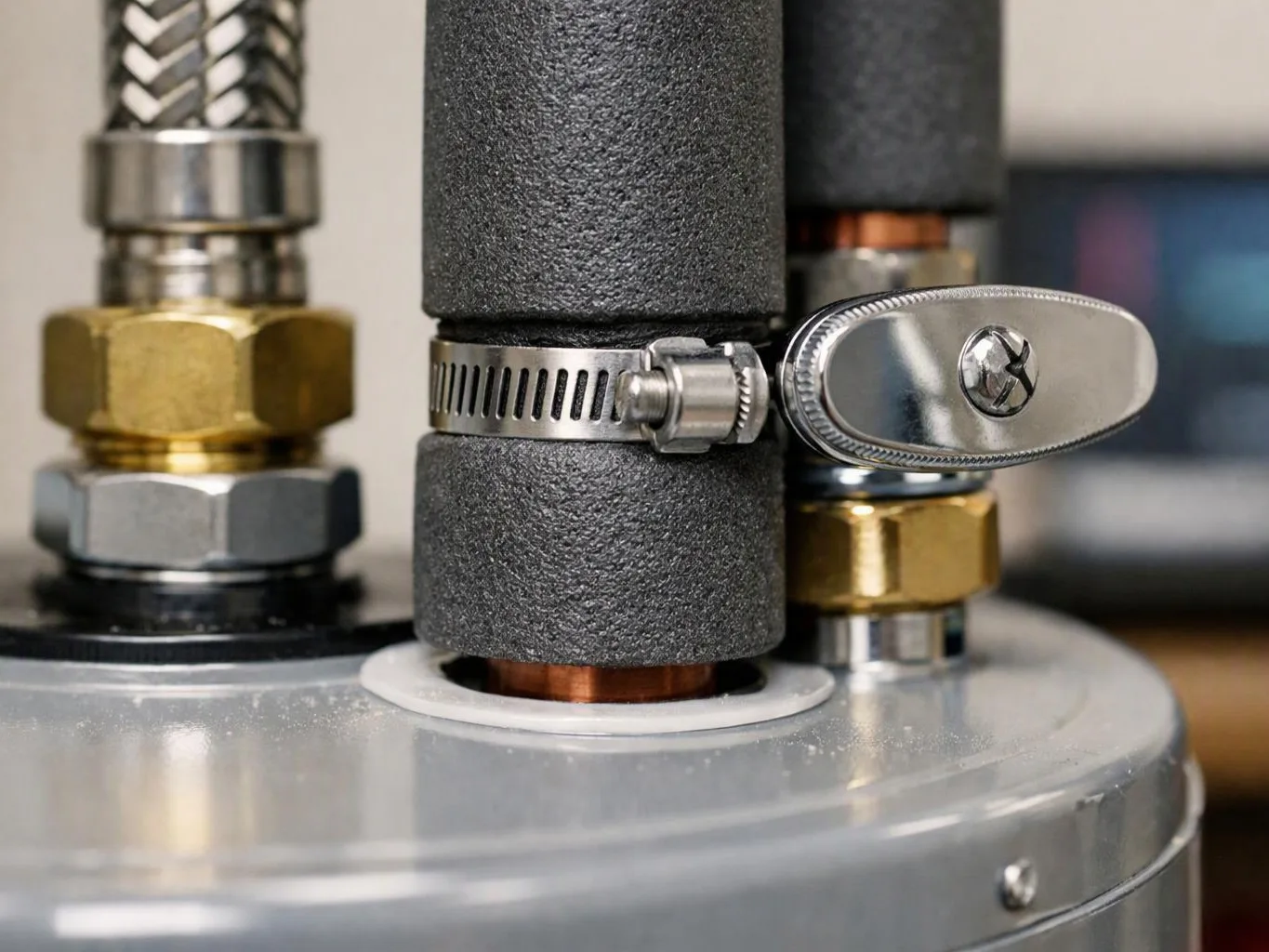
Inspect the water heater connections for moisture, rust, or corrosion. The temperature and pressure relief valve also needs professional attention when it leaks or shows damage.
Routine inspection timing depends on the equipment, its condition, and the home's plumbing layout. We can explain what to monitor during a water heater inspection and shutoff valve inspection.
When Do You Need Toilet Repair and Drain Cleaning Together?
Toilet repair and drain cleaning belong together when toilet symptoms may involve the fixture and the drain line.
These services can overlap when the toilet is the first fixture showing a blockage. The right choice depends on where the obstruction is and whether the toilet itself has a failed part.
How Toilet Repair and Drain Cleaning Work Together
Toilet repair and drain cleaning work together through inspection, targeted clearing, and fixture testing.
Our team checks the toilet and connected drainage before recommending work. This helps keep the repair scope focused on the actual cause.
Prevent Common Plumbing Problems Safely
You can prevent common plumbing problems by avoiding drain-clogging waste, checking visible connections, protecting exposed pipes, and responding to small leaks early.
Use a drain strainer to catch hair and solids. Keep grease out of drains because it can collect inside the drain line.
Avoid relying on chemical drain cleaner for recurring clogs. These products can damage some materials and may create a safety concern during later service.
Protect exposed pipes from freezing conditions and watch for a water leak after cold weather. Call our team when a pipe is damaged, hidden, or unsafe to reach.
Know When Plumbing Maintenance Needs Repair
Plumbing maintenance needs repair when a leak, recurring clog, damaged fixture, unsafe water heater condition, or hidden moisture persists.
Low water pressure can come from a fixture issue, supply line problem, valve restriction, or wider system concern. Recurring plumbing problems deserve diagnosis instead of repeated temporary fixes.
We handle faucet repair, toilet repair, water heater repair, and leak detection based on the observed condition. Our team also checks for water damage when stains, swelling, mold, or musty odors appear.
What Our Plumbing Inspection and Quote Covers
PlumbingAuburnwa.info reviews the reported issue, checks related plumbing components, explains the needed work, and prepares a quote based on the repair scope.
Our team starts with your symptoms and the affected fixture or pipe. We inspect connected parts so the recommendation addresses the cause, not only the visible result.
The quote depends on access, damaged components, blockage location, and the work needed to restore safe operation. Contact our team for an exact quote based on your plumbing inspection.
Contact our plumbing team to discuss the issue and arrange the next step.
Questions About Home Plumbing Maintenance
What are the first signs of a plumbing leak?
The first signs of a plumbing leak include damp cabinets, stained walls, musty odors, and unexplained moisture. A dripping sound or a sudden change in water use can also point to a hidden leak.
Can a slow drain become a larger plumbing problem?
Yes, a slow drain can become a larger plumbing problem when buildup continues or the blockage moves deeper into the drain line. Recurring slow drainage, gurgling, or sewer odor calls for an inspection.
What should I do if my main water shutoff valve won't close?
Stop forcing the main water shutoff valve and call our team when it won't close. We can assess the valve, help limit water damage, and explain the needed repair.
When should I schedule leak detection for a hidden plumbing leak?
Schedule leak detection when moisture, stains, mold, unusual sounds, or unexplained water use appears without a visible source. Early testing can help limit damage to floors, walls, cabinets, and other materials.