Water Filter vs. Water Softener: Choose the Right Installation
A water softener treats hard water minerals, while a water filter targets unwanted particles, chemicals, or contaminants. PlumbingAuburnwa.info can assess your water concerns and recommend one system or both. The right choice depends on your water quality symptoms, treatment goals, plumbing layout, and service needs.
Request an EstimateWater Filter vs. Water Softener: What's the Difference?
A water filter removes or reduces selected substances from water, while a water softener treats hardness minerals that cause scale and soap problems.
A water filter may target sediment, taste, odor, chemicals, or other water contaminants. Filter media must match the substance you want to reduce.
A water softener addresses hard water minerals throughout the home when connected to the main water supply. It helps reduce scale deposits, mineral buildup, and related soap performance problems.
Compare Water Filters and Water Softeners at a Glance
The right system depends on whether the main concern is water quality, hard water, or both. The table compares the main installation factors without treating either system as a universal solution.
| Factor | Water Filter | Water Softener |
|---|---|---|
| Main purpose | Reduces selected particles, chemicals, tastes, odors, or contaminants. | Treats hardness minerals that create scale and affect soap use. |
| Cost | Cost varies with the filter type, treatment target, flow rate, and installation needs. | Cost varies with the softener type, water demand, plumbing changes, and installation needs. |
| Timeline | Installation time depends on the system design and connection point. | Installation time depends on placement, drain access, controls, and plumbing changes. |
| Maintenance | Requires filter changes or other care set by the system design. | Requires system checks, control care, and replenishing treatment material when applicable. |
| Best for | Specific water quality concerns that match the filter media. | Hard water scale, mineral buildup, and related household effects. |
Why Choose a Water Filter?
A water filter is the better choice when a specific water quality concern matches the filter's treatment capability. Water filtration can support a point-of-use tap or whole-house treatment plan.
Best for: targeted water quality treatment.
Why Choose a Water Softener?
A water softener is the better choice when hard water minerals cause scale, spots, or soap-related problems. Whole-home treatment connects the system to the main water supply.
Best for: whole-home hard water treatment.
Which System Do You Need for Your Water Problem?
Choose a water softener for hard water symptoms, a water filter for a matched water quality concern, and both when the home has separate problems.
Water testing can help separate hardness from other water quality concerns. We use the symptoms, affected fixtures, and treatment goals to guide the system choice.
Can You Install a Water Filter and Softener Together?
Yes, a water filter and softener can work together when each system treats a different water problem and the plumbing layout supports both.
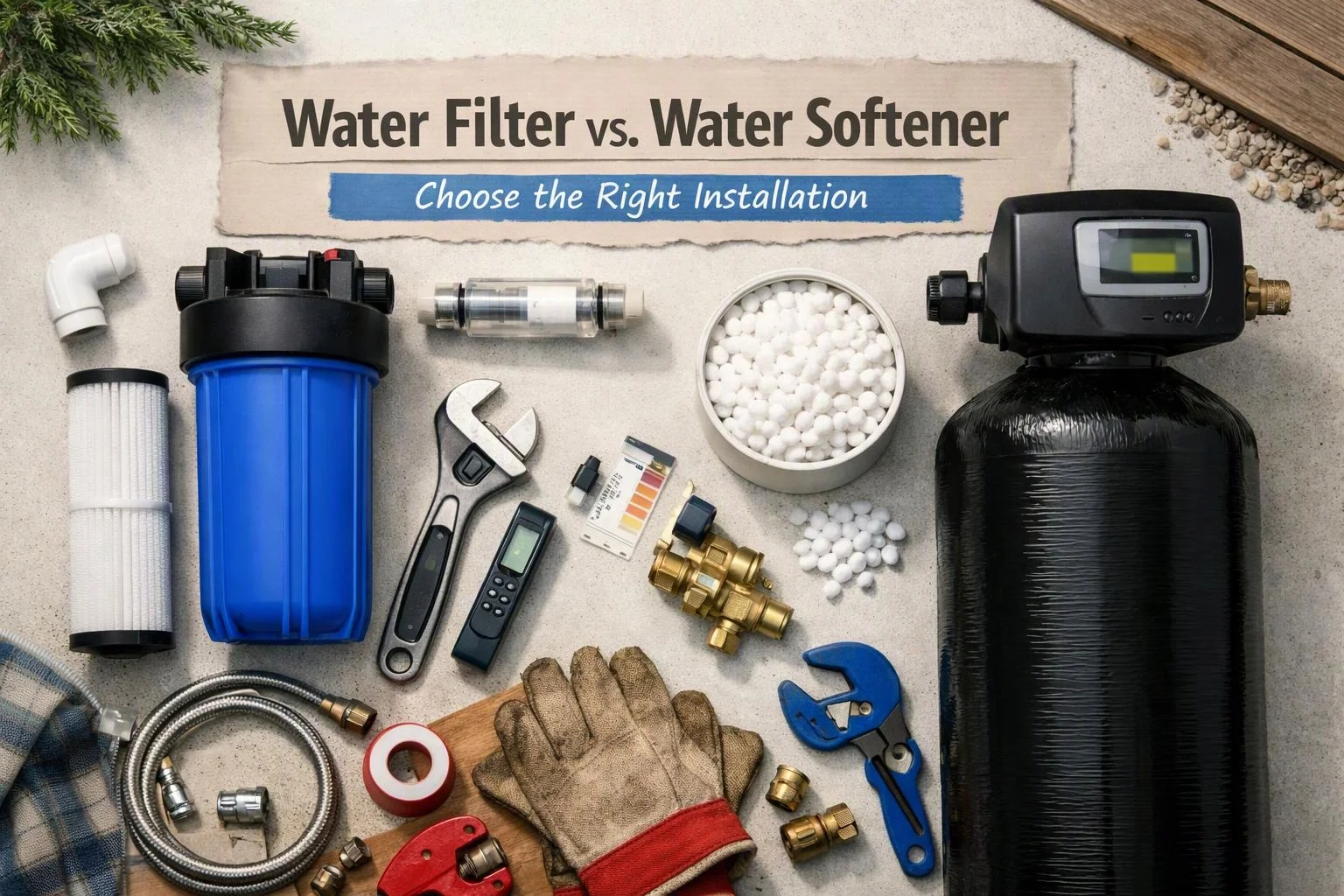
We review the water concern, flow needs, available space, drain access, and connection points. We select equipment that works with the home's plumbing and intended treatment order.
Our team connects the systems safely and checks for leaks, flow, controls, and service access. A combined water treatment system should have enough room for future system maintenance.
Should the Filter or Softener Be Installed First?
The correct installation order depends on the filter design, the water problem, and the equipment maker's requirements.
Some filters protect later equipment from sediment. Other designs belong after a softener or at a separate use point.
We confirm the sequence during the installation plan. Our review covers system compatibility, water flow, plumbing connections, drain access, and the intended treatment result.
How We Plan the Right Water Treatment Installation
PlumbingAuburnwa.info plans the installation around the home's water concern, plumbing layout, and selected equipment. Our team keeps the system accessible for checks and future care.
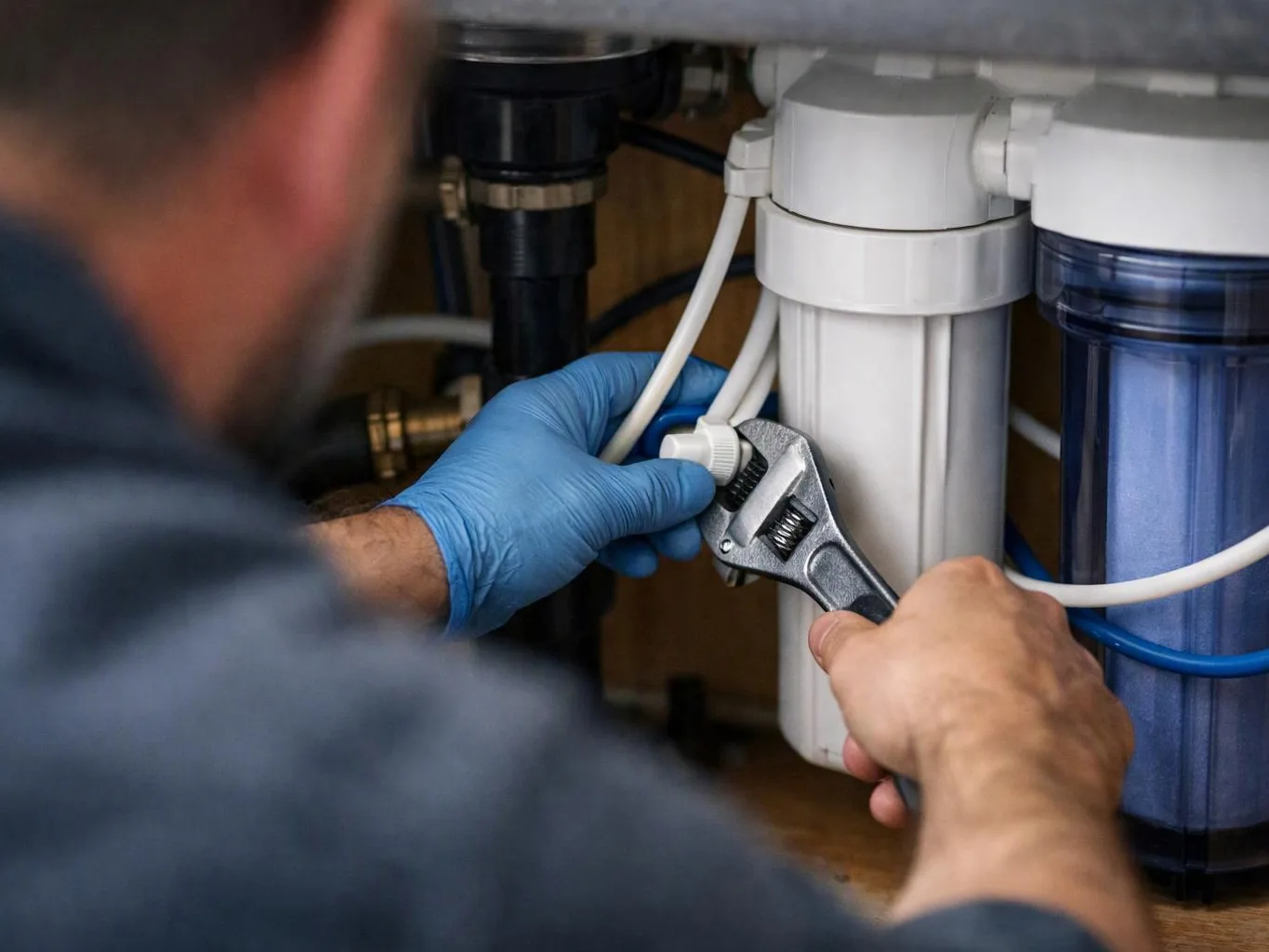
Our water filtration system installation planning accounts for the equipment, connection points, and intended use.
What Changes the Cost of This Installation?
Installation cost changes with the equipment type, treatment goal, plumbing changes, placement, access, and maintenance needs.
Equipment capacity, filter media, water demand, drain access, electrical access, and existing plumbing connections can all affect the work. The installation plan must also allow access for filter replacement or softener care.
We prepare a quote after reviewing the selected system, connection points, installation conditions, and included setup work. Our quote explains the equipment and work needed for the planned water treatment system.
How to Choose Between a Filter, Softener, or Both
Start with the water problem, then choose the treatment that directly addresses it. The best choice also fits the home's plumbing layout and service needs.
What Maintenance Does Each System Need?
Water filters need care based on their filter media, while water softeners need checks for controls, treatment material, flow, and connections.
Maintenance depends on the model and water conditions. Follow the equipment instructions and contact our team when flow changes, leaks, unusual noise, or treatment performance concerns appear.
Regular system maintenance should include filter replacement when required, softener control checks, and leak checks around the plumbing connections.